If you think you see Termite Swarmers in your home, don’t wait, Call a Professional Now (813) 851-4845
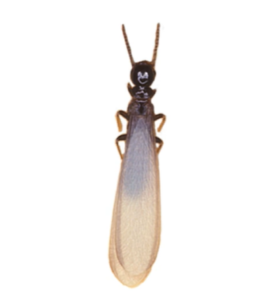 Termite swarmers (also called alates or winged reproductives) in Florida are the flying form of termites that emerge from mature colonies to mate and start new ones. Florida has a warm, humid climate that supports several termite species, including subterranean types (like Eastern, Asian, and Formosan subterranean termites) and drywood termites, which are the most common culprits for swarming sightings in homes.
What Termite Swarmers Look Like in Florida
Termite swarmers are often mistaken for flying ants, but key differences help identify them:
- Body: Dark brown to black (sometimes tan or golden for species like Formosan), elongated and straight (no pinched waist).
- Size: About 3/8 inch (around 1 cm) long including wings.
- Antennae: Straight and beaded (not elbowed/bent like ants).
- Wings: Two pairs of equal length and size (uniform), often translucent or slightly iridescent with visible veins; they extend well beyond the body. After mating, swarmers shed these wings, leaving them in piles near windows, doors, or lights.
- Waist: Broad and uniform (no narrow “pinched” section like ants).
- Behavior: They fly in swarms, often erratically around lights, windows, or doors, especially at dusk/dawn or after rain.
Different species vary slightly (e.g., Formosan swarmers may appear larger and tan/golden), but the overall look is consistent: dark, winged insects with straight features and equal wings.
What It Means When You See Them
Seeing termite swarmers—especially indoors or near your home—usually indicates a mature, established termite colony nearby (often 3–5+ years old and actively damaging wood). The swarmers themselves don’t cause structural damage (that’s the hidden worker termites), but their presence is a major red flag:
- The colony has reached maturity and is reproducing/expanding.
- A new infestation could start if swarmers successfully mate and settle (including potentially in your home’s wood).
- In Florida’s year-round warm conditions, termites are active continuously, but swarming peaks in spring through summer (e.g., February–May for many subterranean types, March–August for drywood), often triggered by warm, humid weather or rain.
Finding discarded wings (small, translucent piles) or frass (tiny pellet droppings) nearby strengthens evidence of an active infestation.